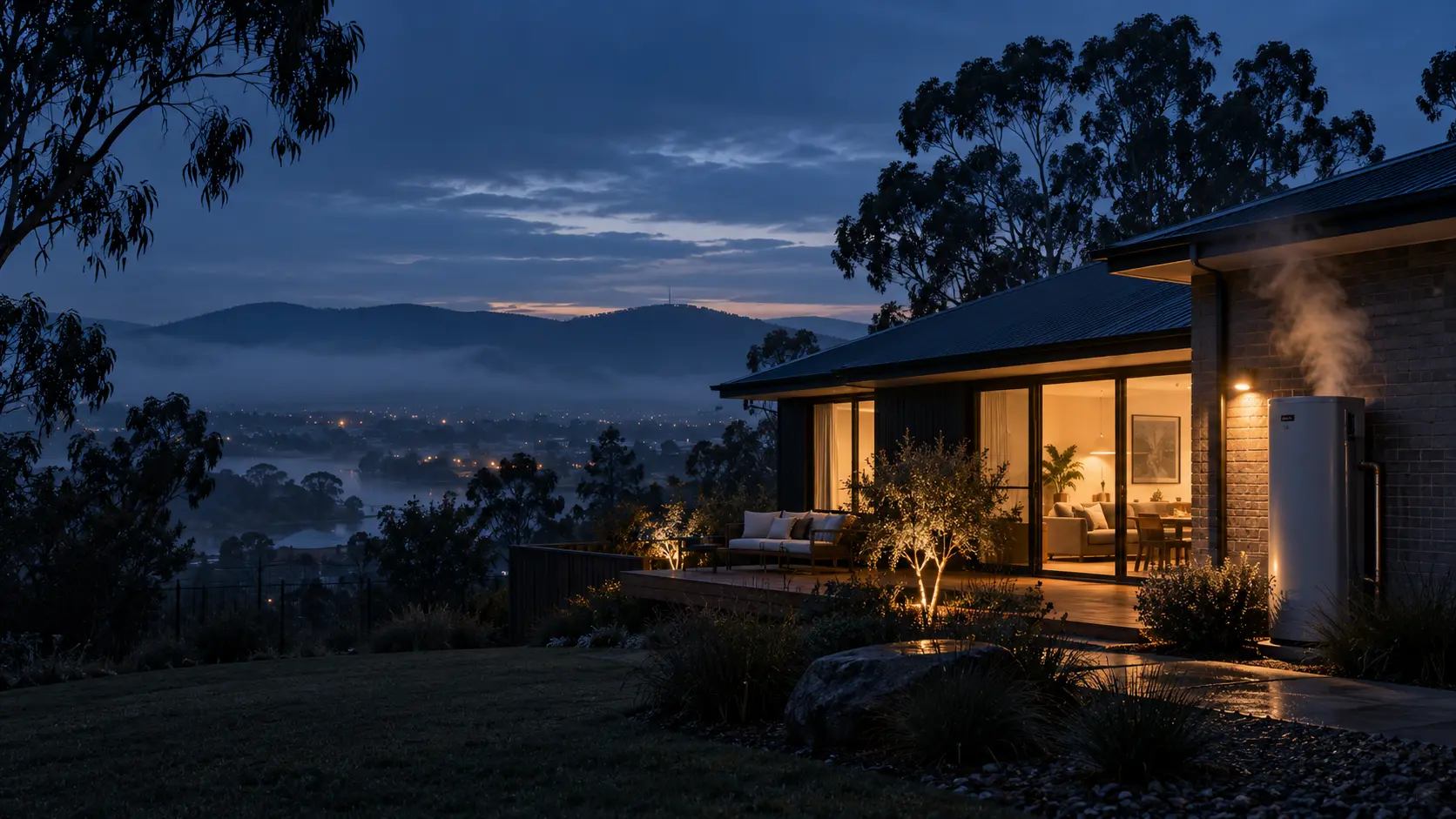
Hot-water replacement
Servicing Albury–Wodonga
Replace an unreliable system with a better-fit option.
Understand capacity, energy source, access and quote inclusions before replacing hot water in Albury–Wodonga.
A practical overview
Understand the situation before choosing the next step.
Replacement is not only about choosing another tank. It is an opportunity to check whether the current capacity still suits the household, whether the energy source remains practical and whether an efficiency-focused option deserves consideration.
Property fit
Capacity, access, energy source and household demand can influence the right approach.
Clear questions
Ask what is included, which trades are needed and how the proposed solution was selected.
Quote detail
Review removal, installation, valves, electrical work and applicable warranties.
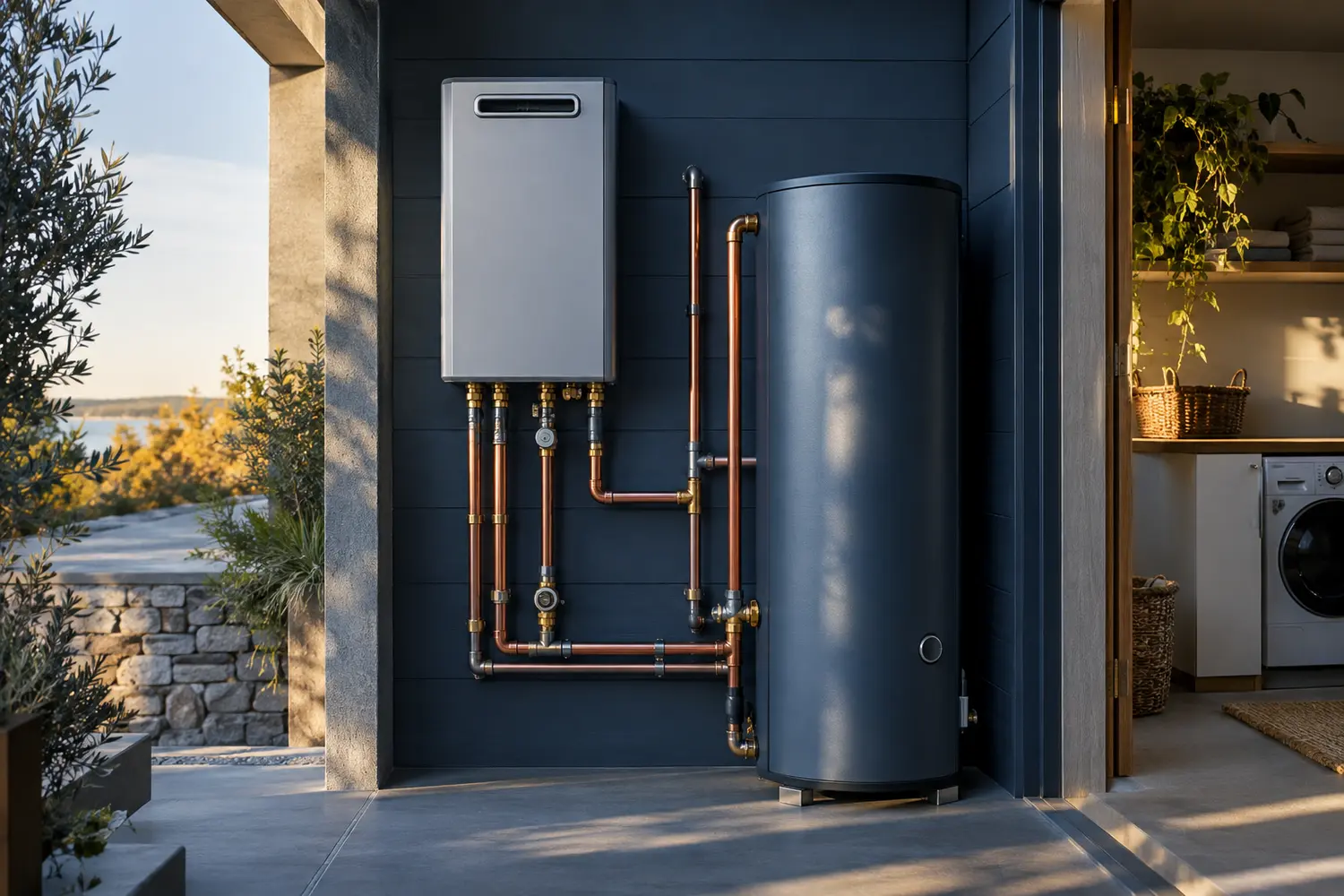
Common signs
When to make an enquiry
- A tank or unit that is leaking
- Water that no longer reaches or holds temperature
- Hot water running out earlier than it once did
- Visible corrosion or repeated faults
- A system that no longer suits the household
Direct answer
What does hot-water replacement involve?
Hot-water replacement in Albury–Wodonga begins with understanding the existing unit, the property and the way hot water is used. The next step may involve diagnosis, comparison of suitable systems, sizing, removal of old equipment, plumbing alterations, electrical or gas work, installation, commissioning and an explanation of applicable product and workmanship warranties. The exact scope depends on the service requested and must be confirmed in writing.
Useful recommendations should explain why a particular approach suits the household rather than simply naming a brand. Capacity, recovery time, available tariffs, energy source, noise, outdoor space, access and future household demand can all affect the practical result.
Before proceeding
Useful points to consider
1. Repair cost compared with replacement
Ask for a clear explanation that relates this point to your property rather than relying on a one-size-fits-all recommendation.
2. Household hot-water demand
Ask for a clear explanation that relates this point to your property rather than relying on a one-size-fits-all recommendation.
3. Available energy sources
Ask for a clear explanation that relates this point to your property rather than relying on a one-size-fits-all recommendation.
4. Installation access and associated work
Ask for a clear explanation that relates this point to your property rather than relying on a one-size-fits-all recommendation.
5. Removal, warranties and quote inclusions
Ask for a clear explanation that relates this point to your property rather than relying on a one-size-fits-all recommendation.
Albury–Wodonga conditions
Plan for cold mornings, peak demand and the actual property.
Winter temperatures can make reliable recovery especially important. Heat-pump performance, frost management, storage size and placement deserve careful attention, while electric, gas, solar and continuous-flow systems each bring different connection and installation requirements.
For rental homes and business premises, access, interruption time and communication with occupants may also influence the work plan. Describe these details early so the quotation can address the real site rather than an assumed standard installation.
Compare hot-water systemsA clearer quotation
Questions worth asking before approving hot-water work
- Why does the recommended capacity suit this household or property?
- Which plumbing, electrical, gas or roof work is included?
- Are valves, supports, drainage and disposal included?
- What site conditions could change the quoted price?
- Which product and workmanship warranties apply?
- Who confirms eligibility for any rebate or certificate discount?
- How will the new system be commissioned and explained?
These questions help Albury and Wodonga property owners compare the complete scope of work rather than choosing from a headline price. Read the hot-water FAQs or review warning signs of system failure before sending an enquiry.
Send an enquiry
Share the system, property and symptoms.
Useful details make it easier to discuss repair, replacement and installation considerations.
Questions answered
Replace an unreliable system with a better-fit option. FAQs
How do I know when replacement is more sensible than repair?
Age, tank condition, fault type, repair cost and ongoing reliability all matter. A qualified assessment is needed before making the decision.
Can I change to a different system type?
Often yes, but space, electrical capacity, gas availability, roof suitability and installation work must be considered.
Should the old unit be removed?
Ask whether disconnection, removal and responsible disposal are included in the quotation.